
What is Tinnitus?
Tinnitus is the perception of sounds generated somewhere along the auditory pathway or inside the auditory processing center of your brain that are not really there. Similar to the “phantom limb” experienced by some amputees, tinnitus is a symptom of a neurological disorder.
The tinnitus experienced by each person varies. One person might experience a continuous tone while another hears a pulsating sound. For some, the sound is described as ringing in their ears, but others experience whirring, clicking, buzzing, or whooshing sounds.
Only the person with tinnitus can hear the sounds when experiencing subjective tinnitus, but if the sounds can be heard by others, the condition is known as objective tinnitus. Objective tinnitus tends to stem from known causes that can be treated with surgical intervention or other medical therapies.
Establishing specific tinnitus causes has eluded audiologists and doctors, but there are conditions that accompany or lead to tinnitus, like:
Hearing loss
Inner ear problems can impact both hearing and balance. In some cases, hearing loss is the first sign of an issue affecting the auditory and vestibular systems.
Head and neck injuries
Injuries to the head or neck can disrupt the vestibular system, leading to dizziness, balance problems, or sensitivity to motion.
Exposure to loud noise
Long-term or sudden loud noise can damage inner ear structures. This may result in hearing changes, ringing in the ears, or imbalance.
Ototoxic drugs
Certain medications may harm the inner ear, affecting hearing or balance. Audiologists can help detect and manage these side effects early.
Stress/Depression
Chronic stress or anxiety can intensify symptoms like dizziness or tinnitus, and may impact balance through the body’s nervous system.
Cranial Nerve Tumor
Tumors near the auditory nerve may interfere with hearing and balance signals. Early detection and evaluation are key to proper care.
Meniere’s disease
This condition causes pressure and fluid buildup in the inner ear, leading to episodes of dizziness, hearing loss, and tinnitus.
Impacted earwax
Blockages from earwax can affect how sound and pressure are perceived, sometimes causing temporary imbalance or discomfort.
5 Frequently Ask Questions About Tinnitus

How is tinnitus diagnosed?
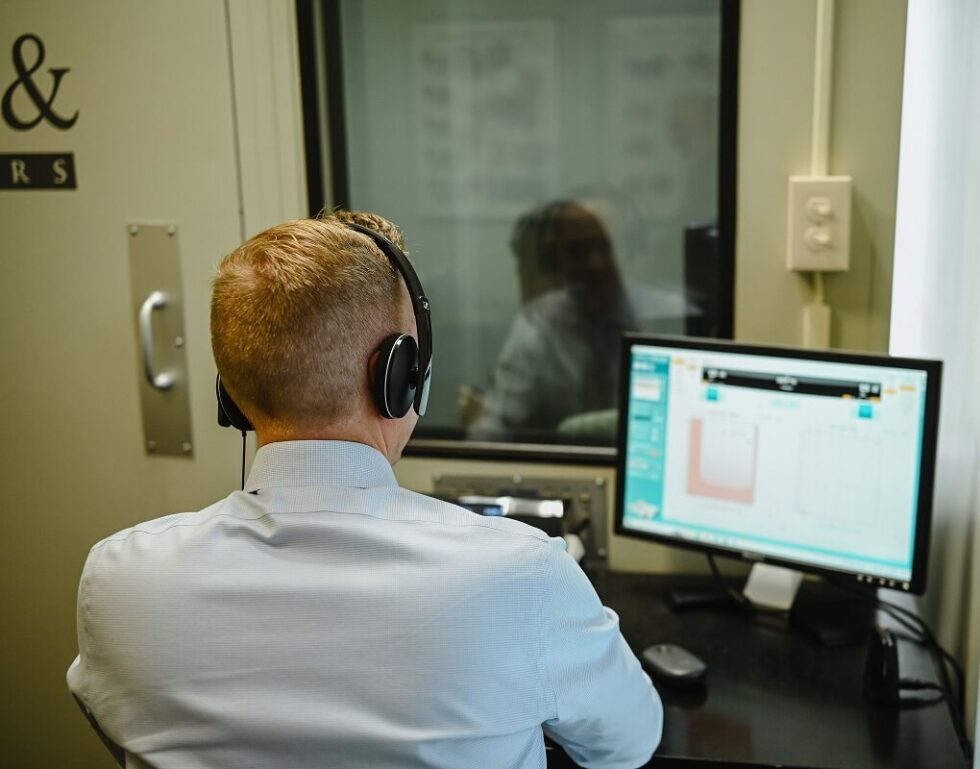
A tinnitus diagnosis involves a case history and medical history, a questionnaire to help determine the loudness and pitch of your tinnitus, and a Tinnitus Handicap Inventory to evaluate the impact of the condition on your lifestyle and quality of life. To rule out or confirm hearing loss as a contributing cause, your audiologist will conduct a comprehensive hearing assessment. Additional tests by an ENT specialist are sometimes necessary to identify vascular or vestibular conditions that can produce tinnitus symptoms.
What happens if you don't treat tinnitus?
Can tinnitus be cured permanently?
Can you relieve tinnitus?
Can I use hearing aids for tinnitus management?