
|
Dr. Ryan Whitaker
|
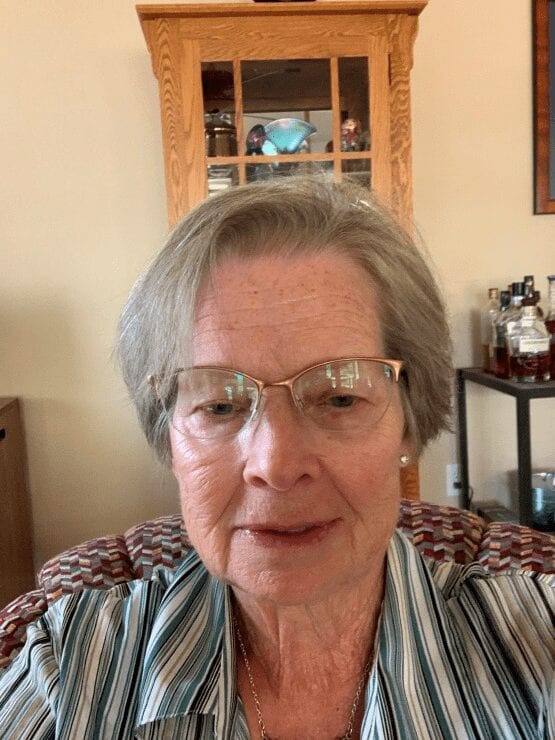
For many people, hearing changes don’t happen all at once; they can develop gradually and show up in small ways, such as asking people to repeat themselves more often or finding it harder to follow conversations in a busy restaurant.
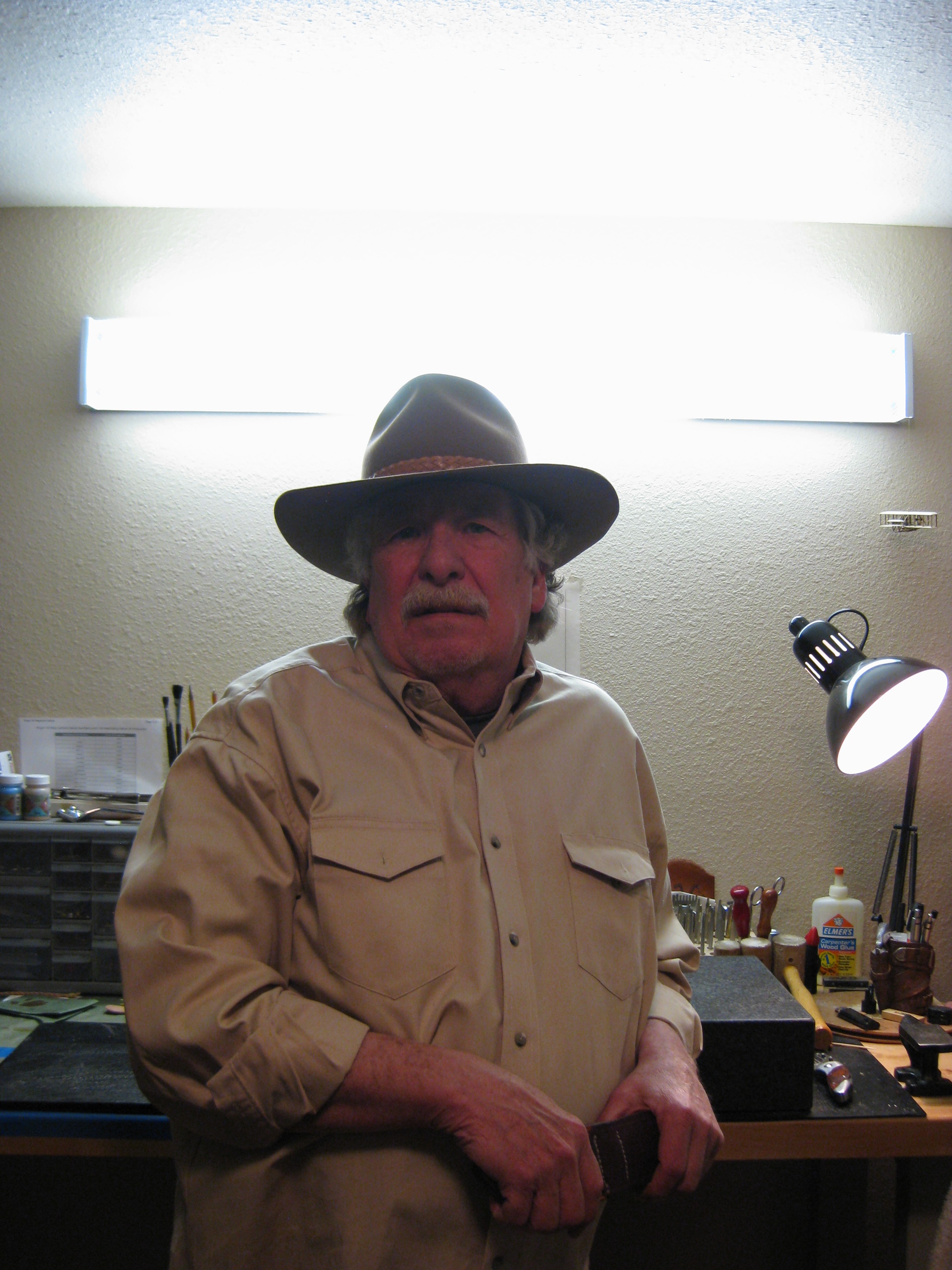
For Cort, the classroom was where those changes became impossible to ignore.
“I first realized I had a hearing challenge when I was not capturing the nuanced communication in my classroom anymore,” he shared. “I was missing things, and, as a teacher, this was no good.”
Experiences like this can be easy to overlook at first. Your brain is remarkably good at filling in gaps, so you may not immediately realize how much you’re missing. Instead, you might notice that conversations require more effort or that you feel unusually tired after social situations.
For professionals who rely on clear communication, even subtle changes can affect how confidently and effectively they engage with others. If you’ve started noticing these changes, paying attention to them can be an important first step toward understanding what may be affecting your hearing.
Misconceptions vs. Reality: Overcoming Cost & Stigma Doubts
There are two common concerns that can make people hesitant to seek help for hearing changes: the cost of treatment and how they might feel about wearing hearing aids. Questions about the investment and concerns about stigma are understandable, and Cort had some of the same reservations.
“Before contacting Hearing and Balance Doctors, I was concerned about the expense of hearing aids and the perceived stigma,” he told us.
What helped Cort move forward was a sense of trust. “My first impressions were excellent... I was at ease and felt I would get honest and complete feedback,” he said.
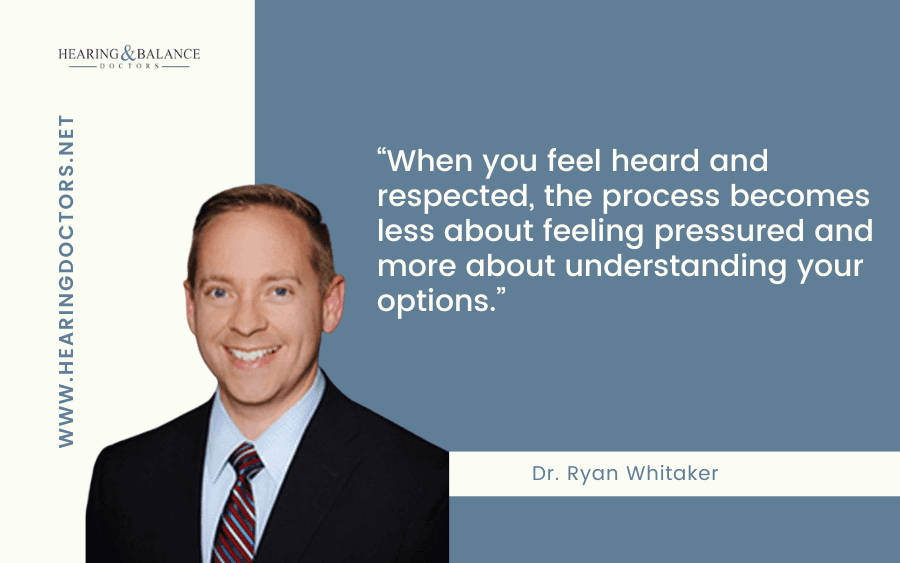
Feeling comfortable with your hearing healthcare team can make it easier to ask questions, discuss your concerns, and make decisions with confidence. When you feel heard and respected, the process becomes less about feeling pressured and more about understanding your options and finding an approach that works for you.
Staying in the Game: Real-World Results of Modern Hearing Aids
Modern hearing technology can make a significant difference, but it works best when expectations are realistic. For Cort, hearing aids helped him stay engaged in conversations and continue participating fully in his professional life.
“Wearing hearing aids has impacted my life tremendously. It’s a game changer,” he said. “There are still a couple of environments in which I cannot function well, and I do have to ask people to repeat, but overall, I’m still in the game.”
His experience reflects an important part of hearing care: Even with today’s technology, some listening environments can remain challenging. Busy restaurants, large meetings, and other noisy spaces can still require extra effort, but improved access to speech can make even those situations easier to navigate.
For Cort, the goal was to communicate with greater confidence, stay engaged in his work, and participate more fully in everyday life.
The Value of Ongoing, Patient-Centered Care
Your hearing journey doesn’t end when you receive your hearing aids. Ongoing care gives you the opportunity to have them cleaned, adjusted, and fine-tuned as your hearing and listening needs change, allowing you to get the most from your technology over time.
Cort particularly values the follow-up care he receives. “My favorite thing about working with the clinic is how they clean and fine-tune my aids and work me in at their earliest convenience,” he noted. “I also feel like everyone is on the same page as far as what the office is trying to accomplish.”
October is National Protect Your Hearing Month, making it a timely opportunity to pay attention to changes in your hearing. Cort’s experience shows how taking that first step can lead to greater clarity and confidence in everyday life.
“To anyone concerned about their hearing and considering a visit, I say go… the sooner the better,” he said.
If you’ve been noticing hearing challenges, contact our team at Hearing and Balance Doctors to learn more about your options!
Frequently Asked Questions (FAQs)
Q: What is the difference between an audiologist and a hearing aid dispenser?
A: An audiologist is a healthcare professional with a master's degree or a doctoral degree (AuD) in audiology. They are trained to diagnose, manage, and treat hearing and balance disorders across all age groups.
A hearing aid dispenser is licensed to perform hearing tests specifically for the purpose of selling and fitting hearing aids.
At our hearing clinics in Utah and Nevada, you are cared for by Doctors of Audiology who provide a comprehensive, diagnostic approach to your hearing health, which goes far beyond just the device itself.
Q: Can an audiologist help with vertigo or dizziness?
A: Yes. Dizziness and vertigo are often symptoms of an underlying issue with the vestibular system, which is part of the inner ear and is responsible for your sense of balance.
As audiologists, we have specialized training to perform assessments to determine the cause of your symptoms. Our clinics offer expert balance assessment and treatment to help you feel steady and confident again.
Q: Why do hearing aids need ongoing professional care?
A: Your hearing and listening needs can change over time. Routine appointments allow your audiologist to clean and inspect the devices, review device performance, update the programming, and address any comfort or connectivity concerns.
This continued fine-tuning helps you receive the greatest possible benefit from your hearing aids in daily life.
Sources